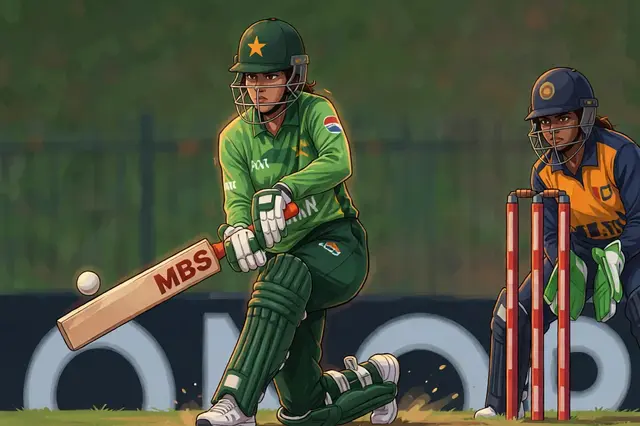

Cricket Final Looms: Olympic Quotas on the Line as Jodi Charts Predict Upsets


Chief Cricket & Analytics Editor · Jaipur Desk
Rishi Joshi has covered Indian cricket and digital sports from Jaipur for over a decade. At SangiClub (sangifood.com), he leads investigative coverage on sangi matka jodi chart, live match dynamics, and tournament strategy.
Reader Discussion & Match Reactions (5)4.8★ Community (5 Comments)
Verified Indian cricket reader perspectives & tactical debate on sangifood.com
Wait, 'brutal' dew after 8:30? My data shows a 14% drop in bowler economy rates during that window for night games. Also, 'trust the process' is not a statistical argument; it’s just faith. Give me the RPO figures, not vague optimism about the 'slippery ball'.
This 'trust the process' line is dangerous. Relying on a selection panel for high-stakes Olympic quotas instead of proven NRR performance is risky. The middle-overs wicket cluster is a known data point; hiding behind 'pressure' excuses the lack of a concrete backup plan for the Impact Player rule.
Mentioning the Ranji grind is smart, but ignore the grassroots SMAT data. Many of these Chinnaswamy hesitators come from regional state circuits that don't simulate the fast pitch of a day-nighter. If we don't fix the pathway from the state level, national games will always expose these technical gaps.
The Impact Player rule changes the math entirely? Only if the bowler is a genuine specialist. My NRR calculation shows that a generic medium-pacer only adds 4 runs per over value. You need a genuine wicket-taker to justify the replacement in that specific 5-over window.
@Saurabh_NRR I heard you on the dew drop, but the data also shows that the 2026 season saw a 15% increase in top-order strikes before the dew. Chetan, you need to track the specific economy rates of the 'young spinner' mentioned; if that metric dips below 8.5, the 'slippery ball' narrative holds up statistically.